
How to get a building permit in Crete: the complete 2026 guide
A step-by-step guide to the Greek building-permit process in Crete — documents, authorities, timelines and the most common causes of delay.
Every successful build in Crete starts long before the first excavator arrives. In Greece, building permits are issued electronically through the e-Adeies platform under the building-control framework of Law 4495/2017. The system is far more transparent than it was a decade ago — but the file you submit still depends on input from several authorities, and that is where most delays begin.
Step 1: Confirm what the plot allows
Before any design work, establish the rules that apply to the land: whether it lies inside or outside a town plan, the building coefficient, maximum coverage and height, setbacks, and the minimum plot size for building outside settlement limits. Out-of-plan rules in particular have been tightened repeatedly in recent years, so assumptions based on a neighbour’s house are not reliable.
- Topographic survey tied to the national grid (HEPOS)
- Title review and cadastral (Ktimatologio) registration
- Zoning, coefficients and any special regulations
- Road frontage and legal access
Step 2: Clear the special authorities
Depending on location, the file may need input from the Ephorate of Antiquities (archaeological zones are common in Crete), the forestry service (to confirm the plot is not classified as forest on the forest maps), the coastal authorities near the foreshore, and environmental services in or near Natura 2000 areas. These clearances often take longer than the permit itself, so we start them in parallel with design.
Step 3: Prepare and submit the permit file
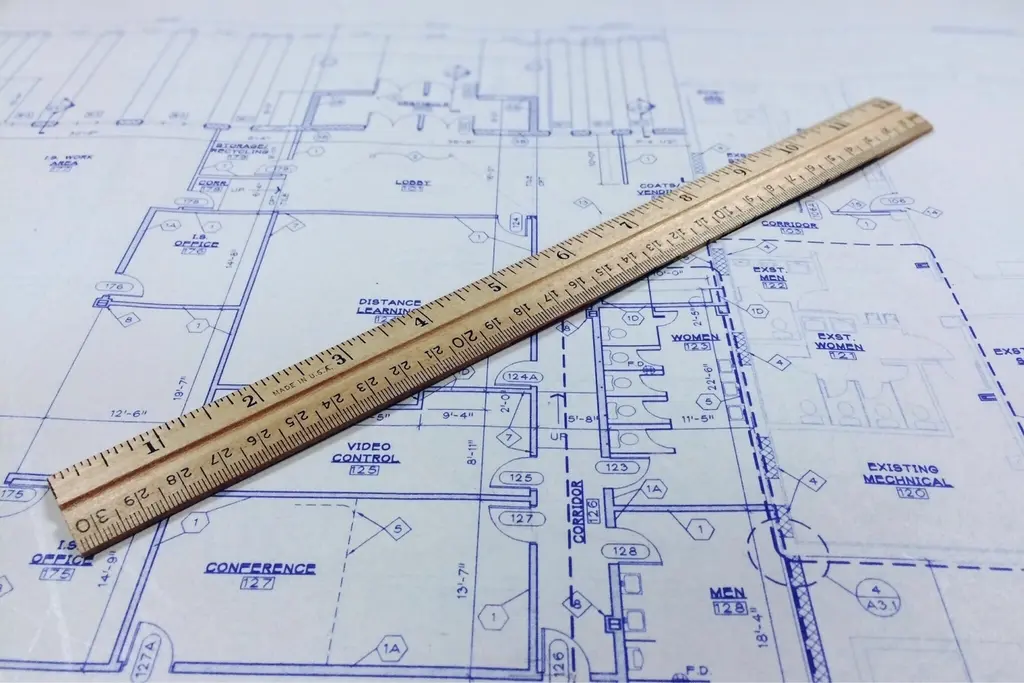
The file includes architectural drawings, structural and MEP studies, an energy-performance study under KENAK, fire-safety measures where applicable, budgets, and the owner’s ownership documents. Licensed engineers upload it to e-Adeies, and the municipal building service (YDOM) carries out the review.
- Feasibility & due diligence 0–2
- Design & engineering 1–7
- Permits & approvals 5–10
- Construction 9–22
- Handover & aftercare 22–24
Month
Indicative figures for planning purposes only. Every project is priced individually.
How long does it take?
For a straightforward residential project with a clean plot, the permit stage typically takes three to six months from a complete file. Where archaeological or forestry input is required, allow more. Hospitality projects add tourism-licensing steps on top.
The most common causes of delay
- Title or boundary discrepancies discovered late
- Missing or incomplete special-authority clearances
- Design changes after submission
- Unclear access or road-frontage status
The fastest permit is the one where the problems were solved before the file was submitted.
At Modera Group our in-house regulatory team prepares and tracks every step, so owners — especially those living abroad — never have to chase an authority themselves.
Frequently asked questions
Can a foreign owner apply for a building permit in Greece?
Yes. Foreign individuals and companies can own land and build in Greece. You will need a Greek tax number (AFM), and in some border regions an additional approval for non-EU buyers.
Who submits the permit?
Licensed engineers registered with the Technical Chamber of Greece submit the file on the owner’s behalf through e-Adeies.