
Rural plots in Crete: access, water, power and the infrastructure behind a great build
What to check before buying a rural plot in Crete — legal access, water, electricity, wastewater and the site works that make a project possible.
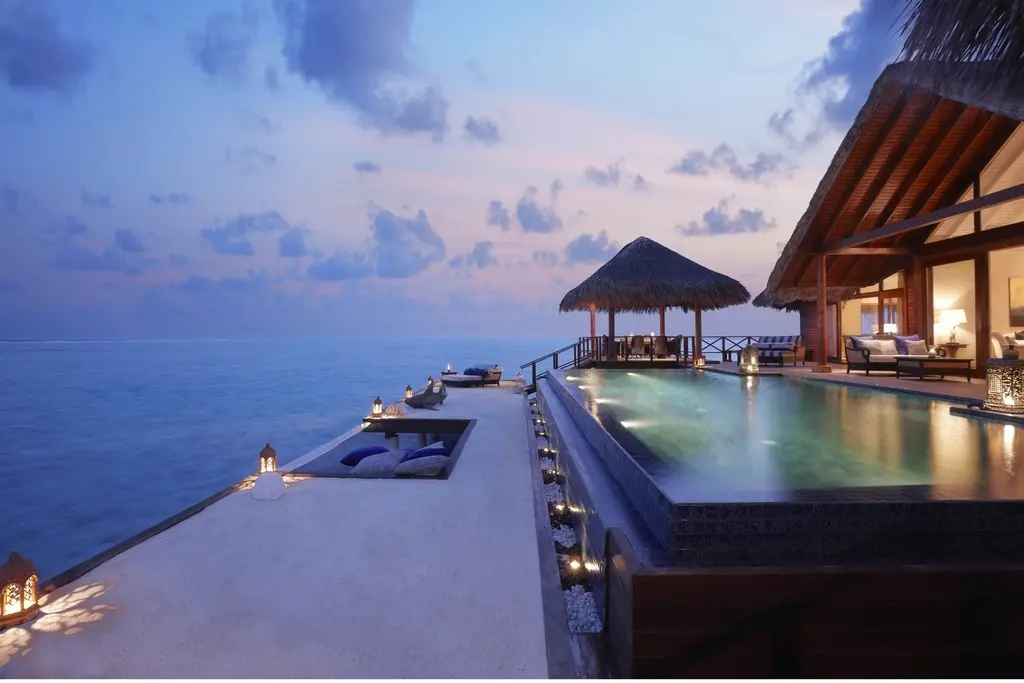
A rural plot with olive trees and a sea view is the dream of many buyers. The reality of building on it depends on infrastructure that is easy to overlook in the excitement of a viewing: access, water, power and wastewater.
Legal access comes first
Outside town plans, the plot’s frontage onto a recognised road is often a condition for building. A dirt track is not necessarily a legal road. Confirm the status before buying — it affects both buildability and the permit timeline.
Water and wastewater
- Municipal supply, private borehole or storage tanks — each with different approvals and costs
- Wastewater: connection to a network where available, otherwise an approved treatment system
- Irrigation for landscaping and pools needs to be planned with water availability in mind
Power and telecoms
Distance to the nearest grid connection can change budgets significantly. We request network studies early and combine grid supply with rooftop solar and battery storage where it makes sense.
Earthworks and retaining structures
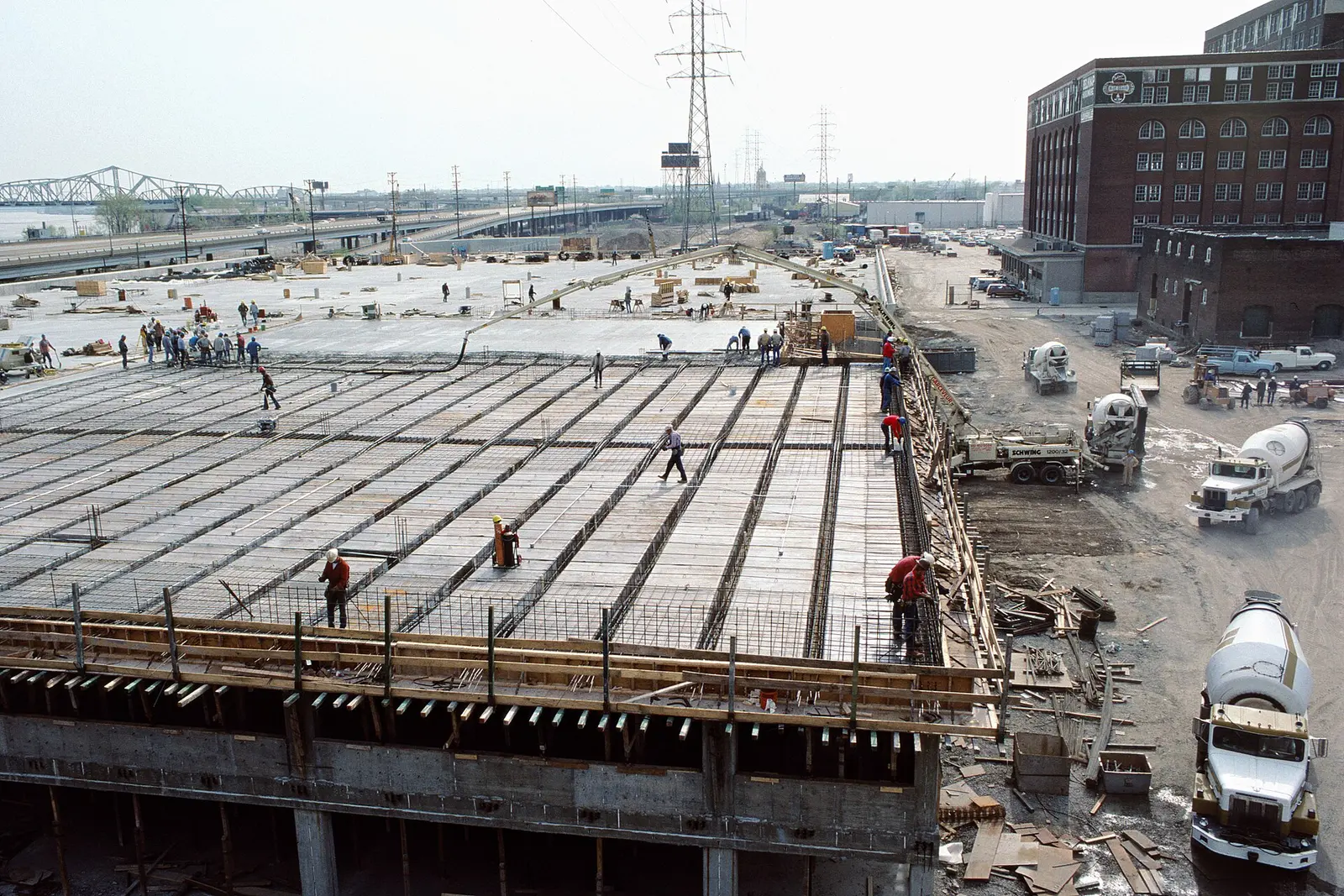
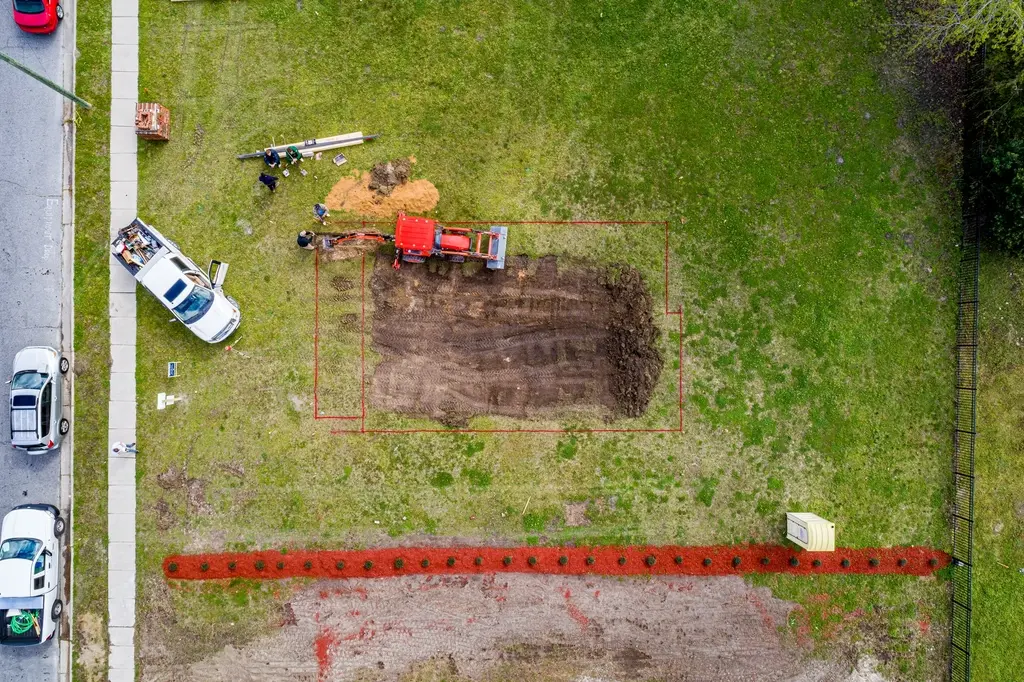
Crete’s terrain is beautiful and steep. Terracing, retaining walls and drainage protect the building and the landscape — and are frequently the largest single item in external works.
The view sells the plot. The infrastructure decides whether you can live there.
Modera’s infrastructure team delivers earthworks, roads and utility networks for our own projects and for private and public clients across Crete.
Frequently asked questions
Can I use a private borehole in Crete?
Boreholes require a licence and are subject to water-resource limits that vary by area. Availability and quality should be checked before purchase.