
Sustainable building in a Mediterranean climate: comfort, efficiency and value
How to design and build energy-efficient homes and hotels in Crete — orientation, shading, insulation, heat pumps and solar — in line with Greek NZEB requirements.
In Crete, the challenge is not winter cold but summer heat and intense sun. Sustainable buildings here are designed to keep heat out, let breezes in and generate their own energy — reducing running costs while increasing comfort and long-term value.
Design before technology
- Orientation that limits west-facing glazing
- Deep overhangs, pergolas and shutters for shading
- Cross-ventilation and night cooling
- Thermal mass from stone and concrete, protected by external insulation
Regulation: nearly zero-energy buildings
New buildings in Greece must meet nearly zero-energy (NZEB) requirements under the national energy-performance regulation, KENAK. An energy performance certificate is issued at completion. Well-designed projects in Crete can reach the top energy classes cost-effectively.
Systems that pay back
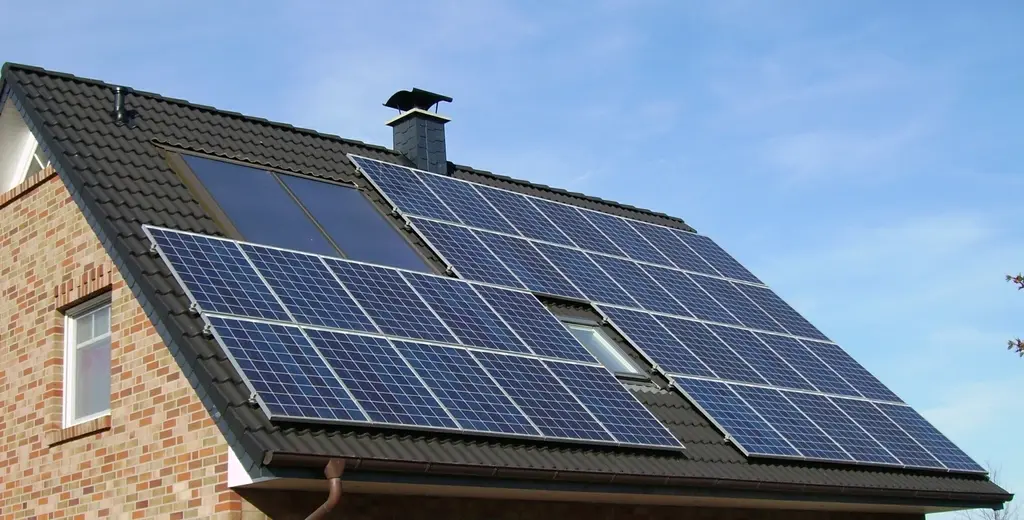
Air-to-water heat pumps, high-performance glazing, rooftop photovoltaics and solar water heating are now standard on our premium projects. For hotels, heat recovery and pool-heating strategies offer some of the fastest paybacks.
Water as a design priority
Rainwater harvesting, greywater reuse for irrigation and drought-tolerant Cretan planting reduce demand on an increasingly precious resource.
The most sustainable kilowatt-hour is the one the building never needs.
Frequently asked questions
Does sustainable design cost more?
Passive measures such as orientation and shading cost little when planned early. Active systems add upfront cost but usually pay back through lower energy bills and higher asset value.